
Fridley (763) 213-5458
Timberline Handyman Services
Curtain Rod Installation in Fridley

Fridley Local

Curtain Rod Installation in Fridley

Wall-mounted, double rods, plaster or drywall, hung straight and anchored to last.

Call or text (763) 213-5458

Request an estimate

Tell us what you need
No obligation · Responds within 1 business day


By submitting this form you agree that we may contact you about your request and share your details with partner companies for marketing purposes.

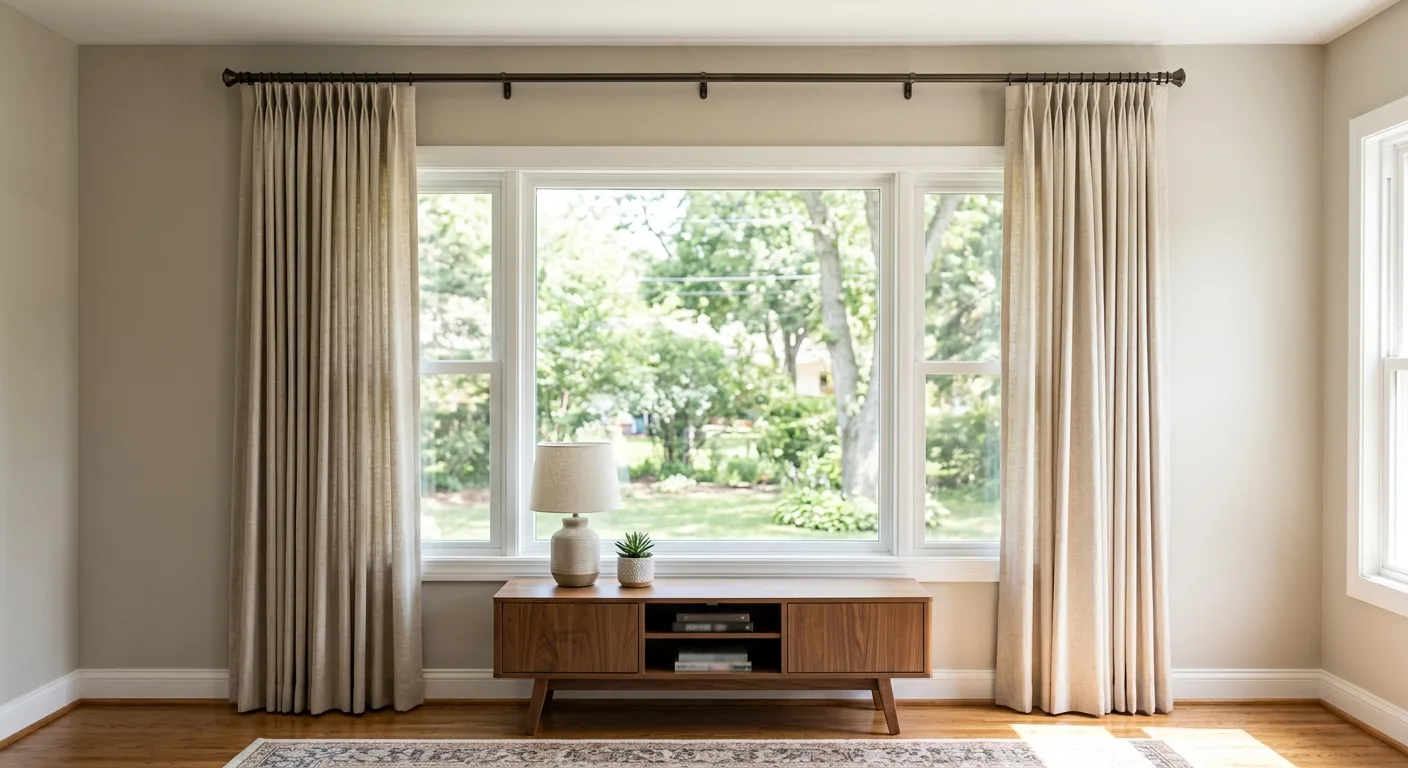
heavy fabric loads work, professional service in Fridley, MN

Curtain Rod Installation Fridley Homeowners Rely On

Curtain rod installation in Fridley is one of those jobs Timberline Handyman Services handles all the time, and we do it across the north Minneapolis metro with 16 years of experience behind every hole we drill. It sounds simple until you're staring at plaster walls, a heavy set of blackout panels, and no idea where the studs are. Call (763) 213-5458 and we'll take it from there.

The installation method changes depending on what you're working with. Older Fridley homes built in the 1950s through 1970s often have plaster over wood lath, which anchors differently than the drywall you'd find in a newer build. Rod height matters too: mounting 4 to 6 inches above the window trim is standard practice for making a room feel taller and framing the window properly, but the right number depends on your ceiling height and curtain length. Heavy drapes need brackets anchored into studs. Lightweight sheers can go into drywall anchors if the stud layout doesn't cooperate. We check all of that before we drill. Cost depends on the number of windows, wall material, rod weight rating, and whether you're adding custom shelving installation or picture and mirror hanging to the same visit. Every job is different, contact Timberline Handyman Services for an accurate estimate.

What We Check Before Drilling Anything

A good curtain rod installation starts with a pre-drill assessment, not a guess.
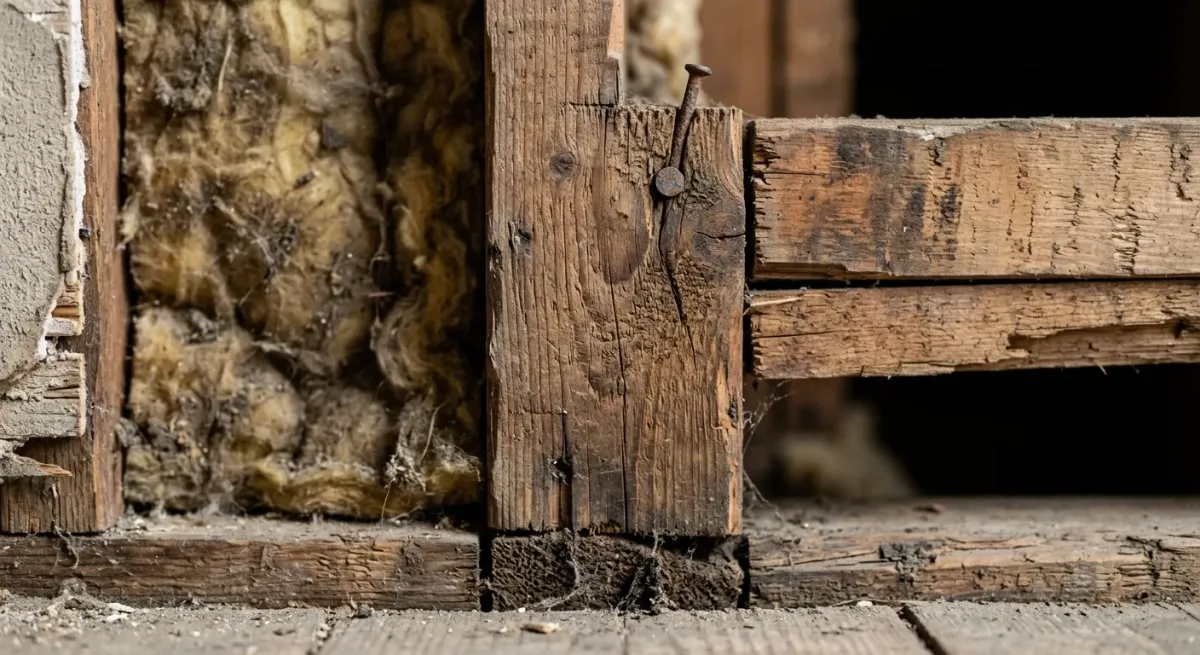
The single most common reason a curtain rod fails is skipping the prep. We locate studs with a stud finder and confirm with a probe, because Fridley's older homes sometimes have inconsistent framing that fools the electronics. We measure rod height against your curtain length and ceiling clearance before marking a single point. We check whether the wall is drywall or plaster, because plaster needs a pilot bit and a different anchor altogether. If you're mounting a double rod or a heavy blackout panel setup, we verify the bracket spacing matches the rod's weight rating. None of that takes long, but skipping it is exactly why DIY curtain rods end up in the garbage bag with a chunk of wall attached.
stud finding in older framing work, professional service in Fridley, MN

Installation Types

Wall-Mounted vs. Trim-Mounted Rods

The right mount depends on your window style, not just your preference.
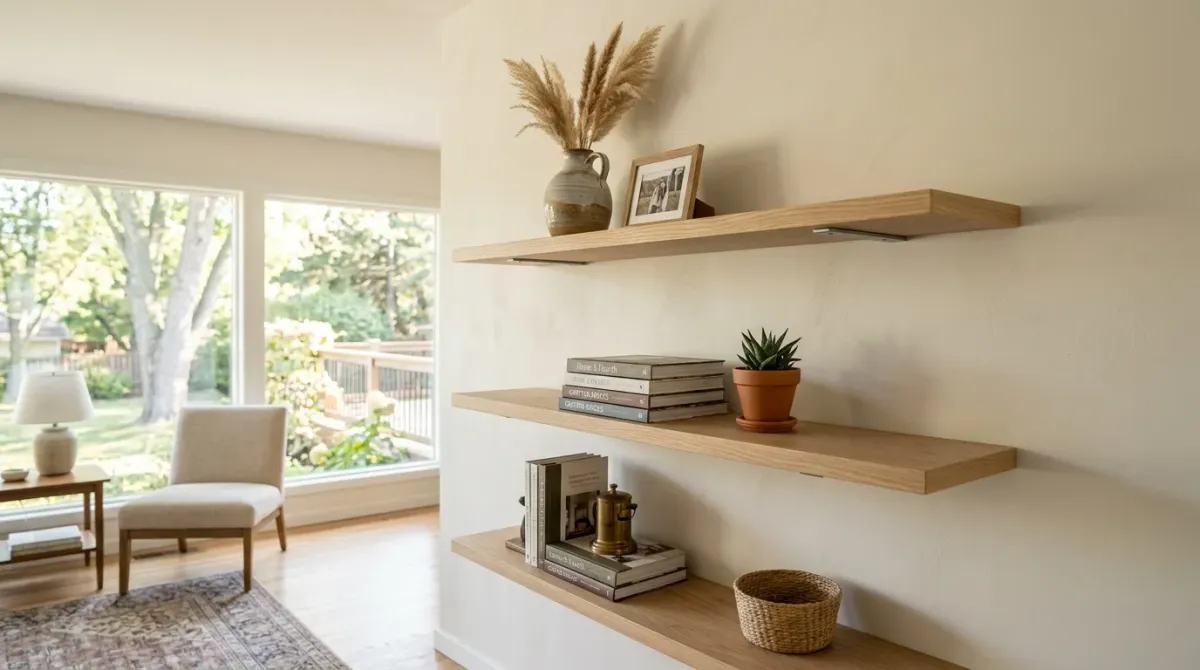
Wall-mounted rods go into the drywall or plaster on either side of the window frame. They're the standard choice for most windows and let you hang curtains wider than the glass, which blocks more light and makes the window read larger. Trim-mounted rods mount directly to the window casing. They work well on windows where the casing is thick enough to hold a bracket without cracking, and they're the right call when wall space is tight. Inside-mount rods fit within the window frame itself, usually for a clean Roman shade look. We'll look at your windows and tell you which approach fits the opening, the curtain weight, and the wall material. That's not a sales pitch, it's just the right order of operations.
plaster wall anchoring work, professional service in Fridley, MN

Minnesota Homes

Plaster Walls, Humidity Swings, and Why They Matter

Plaster Wall Anchoring

Older Fridley homes need anchors designed for plaster, not the standard plastic toggles. We match the anchor to the actual wall material so the bracket holds through seasonal movement.

Stud-Finding in Older Framing

Mid-century framing doesn't always follow modern stud spacing. We probe after scanning to confirm location before committing to a hole.

Heavy Fabric Loads

Blackout panels and lined drapes weigh more than they look. We check the rod's weight rating against your fabric before choosing bracket depth and anchor type.

Moisture-Zone Installations

Bathroom shower curtain rods and kitchen window rods need corrosion-resistant hardware. We specify the right materials for wet or high-humidity locations.

Our Process

How a Curtain Rod Install Actually Goes

  1. Measure and Mark

    We measure window width, ceiling clearance, and curtain drop. We mark bracket positions at the right height above trim, typically 4 to 6 inches, and confirm the marks are level before anything else happens.

  2. Find Structure and Anchor

    We locate studs or identify the right anchor type for your wall material. Pilot holes go in carefully, especially in plaster, and brackets get secured with hardware rated for the rod's load.

  3. Hang, Level, and Done

    The rod goes up, we check it with a level, and we load the curtain to confirm the hardware holds. We clean up the dust and leave the window looking the way it should have from the start.

Other Interior Work We Can Combine With This Visit

Curtain rod installation rarely happens in isolation. A lot of homeowners use the same trip to get picture and mirror hanging knocked out in the same room, or they're in the middle of a broader room renovation and need window treatments wrapped up as part of it. If you're also adding TV mounting in the living room or a set of custom shelves on the wall beside the window, we can do it all in one visit. Fewer scheduling calls. One person who knows your home by the time they leave. That's the practical reason to use a handyman with 16 years of cross-trade work rather than hiring a specialty window treatment installer and a separate carpenter on different days.
Handyman work by Timberline Handyman Services

Common Questions About Curtain Rod Installation

How high should I mount my curtain rod above the window trim?
The standard range is 4 to 6 inches above the trim, but the right number depends on your ceiling height and curtain length. Taller ceilings can take 6 to 8 inches of space above the trim, which draws the eye up and makes the room feel larger. If your curtains are floor-length, we measure from the floor up to set the rod height accurately before marking anything.
Do curtain rod brackets need to go into studs, or can I use wall anchors?
It depends on the curtain weight and the wall material. Lightweight sheers on a standard rod can go into good-quality drywall anchors. Heavy lined panels, blackout drapes, or double rods should hit studs. In Fridley's older plaster-wall homes, we use anchors specifically rated for plaster, because standard plastic toggles don't grip the same way and will loosen over time.
What's the difference between inside-mount and outside-mount curtain rod installation?
An inside-mount rod fits within the window frame opening. It's a clean look, common with Roman shades and lightweight panels. An outside-mount rod goes on the wall outside the frame, which lets you hang panels wider than the glass to block more light and visually widen the window. Most standard curtain rods in Fridley homes are outside-mount. We'll look at your window and tell you which one actually fits your situation.
Can curtain rods be installed in plaster walls without damaging them?
Yes, but plaster needs a different approach than drywall. We use a smaller pilot bit and go slowly to avoid cracking the surface. Anchors rated for plaster grip the material correctly instead of spinning in the hole. This is a common situation in mid-century Fridley homes, and it's not a problem as long as you're using the right hardware and taking the time to drill carefully.
How do I know if my curtain rod can support the weight of my curtains?
Most curtain rods list a weight rating on the packaging, typically somewhere between 15 and 50 pounds. Heavier lined or blackout panels can push toward the top of that range. If you're installing a double rod with two sets of panels, the combined weight changes the bracket requirements. Honestly, if you're not sure, bring the rod and curtain packaging to the phone call and we can tell you whether the hardware needs to change before we show up.
Do curved shower curtain rods install differently than standard rods?
Curved shower rods mount the same way at the wall, but the bracket positioning matters more because the outward bow of the rod puts lateral force on the anchors. In a tile wall, we need to drill into the grout line or use tile-rated anchors. We don't drill through the face of a tile unless there's no alternative. If you've got a tiled bathroom in Fridley, we'll assess the wall before committing to a mounting approach. For bathroom tile work beyond the rod itself, check out our tile work service.
How high should a curtain rod be above window trim?
The standard placement is 4 to 6 inches above the window trim. In rooms with 9-foot or taller ceilings, going 6 to 8 inches above the trim makes sense, because it draws the eye upward and creates the impression of more height. The exact number also depends on your curtain length. We measure before marking so the panels hang correctly and clear the floor by the right margin.
Can someone hang my curtains professionally, or is this a DIY job?
It's a job worth hiring out if you're dealing with plaster walls, heavy drapes, double rods, or more than two or three windows. DIY curtain rod installations fail most often because the wrong anchor was used, the rod height wasn't measured before drilling, or the brackets weren't level. The resulting wall repair costs more than the installation would have. We handle this all the time in Fridley and the north metro.
Do I need to find the studs before installing curtain rods?
For heavy panels or double rods, yes. Standard-weight curtains on a single rod can go into quality drywall anchors if the studs don't line up with your bracket marks. In older homes with plaster walls, finding the underlying structure matters more, because plaster-only anchors can work loose over time under repeated load. We locate and confirm stud positions before drilling.
What kind of walls make curtain rod installation harder?
Plaster walls are the most common challenge in Fridley's mid-century housing stock. They require a different bit, a slower drill speed, and anchors designed for plaster rather than drywall. Tile walls in bathrooms require drilling into grout lines when possible, which takes more time and the right bit. Concrete or masonry walls, less common in residential interiors, need a hammer drill and masonry anchors entirely.
How do Minnesota's seasonal humidity changes affect curtain rod installations?
Indoor humidity in Minnesota drops significantly in winter due to forced-air heating, then rises in summer. That cycling causes walls to expand and contract slightly, which can work loose an anchor that was borderline to begin with. Using correctly-rated anchors and hitting studs where the load demands it prevents seasonal loosening. Bathroom installations face the additional factor of steam and condensation, which is why corrosion-resistant hardware matters in those locations.

Schedule Your Curtain Rod Installation

16 years of working in Fridley homes. Plaster walls, drywall, double rods, bathroom installs. One call covers it.

Related

Next step

Tell us about the job

Your name, your number and what needs doing. A person from Timberline Handyman Services gets back to you.

Rather talk now?(763) 213-5458

No obligation · Responds within 1 business day


By submitting this form you agree that we may contact you about your request and share your details with partner companies for marketing purposes.