
Fridley Local
Tile Work in Fridley, MN
Bathroom, kitchen, and shower tile installed right the first time by a 16-year Fridley tradesman.
Call or text (763) 213-5458Request an estimate
Tell us what you need
Tile Work Fridley Homeowners Can Count On
Timberline Handyman Services handles tile work in Fridley and across the north Minneapolis metro, from full bathroom floor installations to cracked-tile repairs and kitchen backsplashes. I've been doing this trade work for 16 years, which means I know what substrate prep looks like in a 1960s Fridley ranch, what moisture protection a Minnesota shower actually needs, and why the cheap grout fails in two winters. Call (763) 213-5458 to talk through your project.
Good tile work starts well before the first tile goes down. Subfloor preparation, substrate flatness, and waterproofing membrane selection determine whether your tile lasts 20 years or starts cracking in five. Minnesota freeze-thaw cycles and basement humidity add pressure that warmer climates don't face. The scope of a job varies a lot: a small bathroom floor repair is a different animal than a full walk-in shower build-out with a custom mosaic niche. Materials, square footage, tile format, and how much demo the existing surface requires all drive the final number. Every job is different, contact Timberline Handyman Services for an accurate estimate.
What We Do
Tile Services Covered
One call handles the full tile scope, not just the easy parts.
Bathroom Floor Tile
Full installation from subfloor prep through grout sealing. I'll assess whether your existing floor can support a tile overlay or needs removal first. Porcelain and ceramic are the workhorses here, slip-resistance rating matters in a wet bathroom, and I'll walk you through the options before any tile gets ordered.
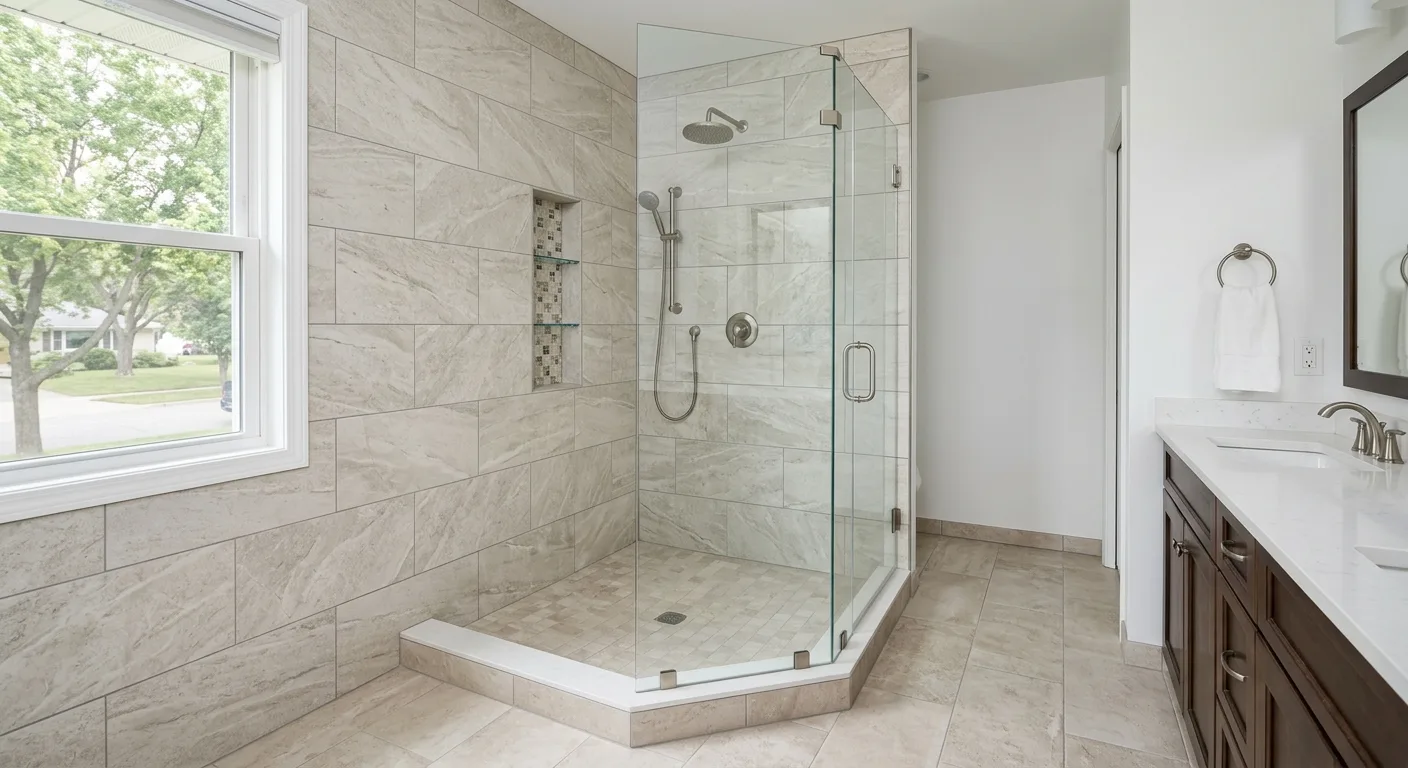
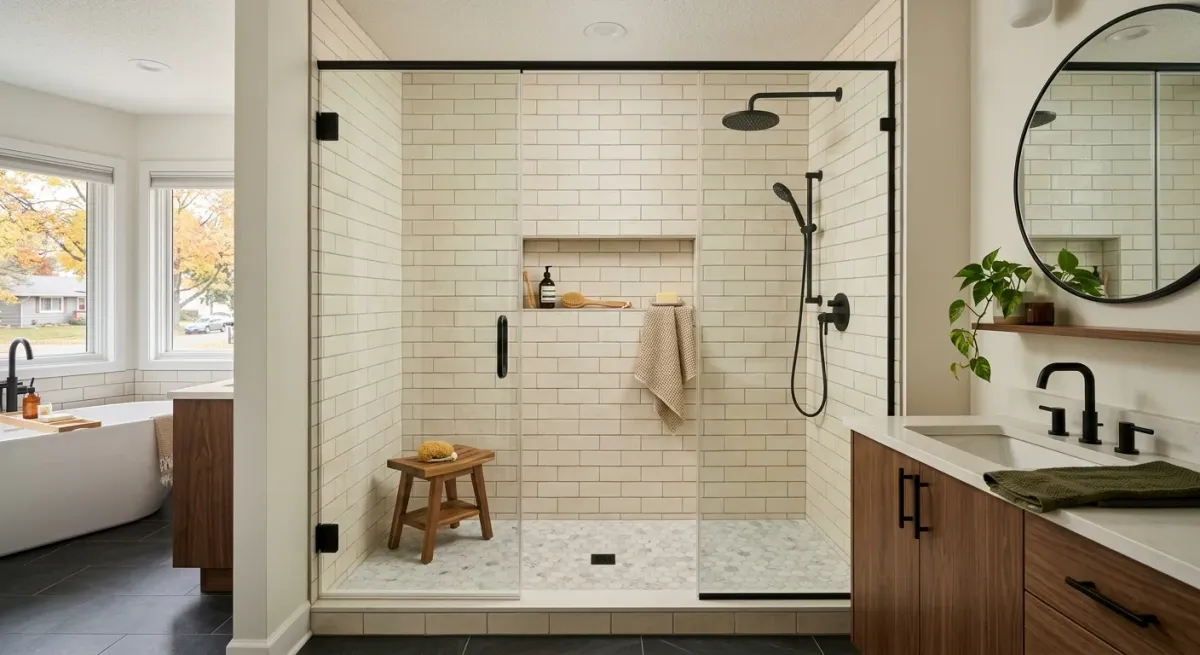
Shower Tile and Waterproofing
Showers are the most unforgiving tile environment in any home. I use a proper waterproofing membrane behind every wet wall, not just cement board alone. Minnesota humidity and temperature swings make this non-negotiable. Cut corners here and you're looking at mold behind the tile inside three years.
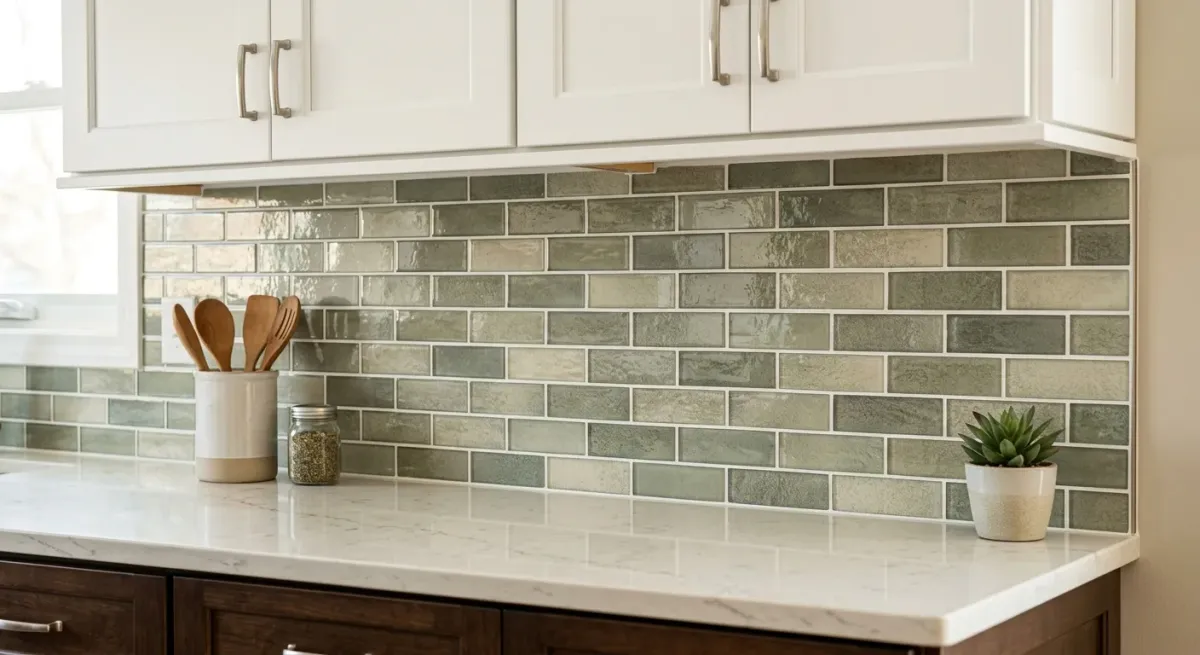
Kitchen Backsplashes
Ceramic, glass, and mosaic backsplashes installed with clean grout lines and tight cuts around outlets and switches. A backsplash is one of the higher-visibility tile jobs in a home, sloppy tile cuts or uneven grout spacing shows. I take the time to get the layout right before setting a single tile.
Tile Repair and Replacement
Cracked tiles, loose tiles, failing grout. These problems don't stay small. A single cracked floor tile lets water into the subfloor, and a failing grout line in a shower is a direct path to structural moisture damage. I match existing tile where possible and re-grout or re-seal as needed.
Grout Cleaning and Resealing
Grout is porous. Without regular sealing, it absorbs moisture, stains, and eventually mold. I regrout deteriorated joints and reseal existing grout on bathroom and kitchen surfaces. This is maintenance most homeowners put off too long, by the time the grout is black, the tile underneath is often compromised too.
Laundry Room and Basement Tile
Below-grade tile in Minnesota needs extra attention to moisture mitigation. Basement slabs move seasonally, and tile installed without the right uncoupling membrane or expansion joints will crack. I've worked in enough Fridley basements to know what the local soil and slab conditions demand.
Process
How a Tile Job Actually Goes
Assessment and Substrate Prep
Before any tile touches the floor, I check the subfloor for flex, moisture, and levelness. A floor that deflects under weight will crack tile no matter how good the installation is. Damaged subfloor gets repaired, high spots get ground down, and low spots get filled. This step is where most DIY tile jobs fail.
Layout, Setting, and Waterproofing
I dry-lay the tile first to confirm the pattern, cuts, and grout joint spacing before mixing any mortar. Wet areas get a waterproofing membrane applied and cured before tile setting begins. The right thin-set for the tile type and substrate goes in next. No shortcuts on mortar coverage, full contact on the back of every tile.
Grouting, Caulking, and Sealing
Grout type matters: sanded grout for joints over 1/8 inch, unsanded for tighter joints, epoxy grout in high-moisture commercial-style applications. Caulk goes anywhere two planes meet, not grout. That corner between the floor and the tub? That's caulk, not grout. Always. After grout cures, I seal it to protect against staining and moisture infiltration.
Tile Materials for Minnesota Homes
Not every tile works in every room, and Minnesota's climate makes a few choices non-negotiable.
Porcelain: The Workhorse
Dense, low-absorption, frost-resistant. Porcelain is the right call for bathrooms, mudrooms, and any space that sees real moisture. It's harder to cut than ceramic but it lasts. I use it on most wet-area floors and recommend it for any Fridley home with basement humidity concerns.
Ceramic: Practical for Dry Areas
Easier to work with and less expensive than porcelain. Fine for kitchen backsplashes and low-traffic dry areas. Not the right call for shower floors or below-grade spaces where moisture intrusion is a real factor.
Glass and Mosaic: Accent Work
Glass tile goes on walls, not floors. It's fragile underfoot and slippery when wet. Mosaic sheets are great for shower niches, backsplash borders, and decorative bands. Both require white thin-set and careful grout selection to avoid bleed-through on light tile colors.
Large-Format Tile: Know the Limits
24x24 and bigger formats look sharp but demand a flatter substrate than most older Fridley homes can offer without work. The subfloor tolerance for large-format tile is tight. I'll tell you upfront if your floor needs more prep to support it, not after the tile is already cracking.
Minnesota Moisture and Why It Changes the Job
Tile Work or DIY: Where the Line Is
DIY Is Fine For
Replacing a single broken floor tile in a dry area where the substrate is solid. Applying a grout refresh product on lightly stained grout that's still structurally sound. These are maintenance tasks, not installations.
Call a Pro For
Anything wet. Any shower installation or repair. Any floor with flex or moisture issues. Any job involving cement board, waterproofing membrane, or tile over a wood subfloor. The consequences of getting it wrong in a wet area are expensive, and they're hidden inside the walls until they're catastrophic.
Red Flags in a Finished Job
Hollow-sounding tiles, cracking grout within the first year, grout joints that look uneven or have already started darkening with mold, and any tile lippage you can feel underfoot. These aren't cosmetic issues. They mean the installation had a problem from day one.
Serving Fridley and the North Metro
I work throughout Fridley and the surrounding north Minneapolis communities. Most of the homes I see are mid-century builds from the 1950s through 1970s, with original bathrooms that need real work, not cosmetic patches. If you're in the area and need tile installed or repaired, call (763) 213-5458.
Ready to Talk Tile?
16 years of tile work across Fridley and the north metro.
Frequently asked questions
What's the best tile material for a Minnesota bathroom floor?
Can tile be installed over existing flooring, or does the old floor need to come out?
What's the difference between grout and caulk, and when should each be used?
What causes tile to crack in Minnesota homes, and how can it be prevented?
How do I keep bathroom grout from getting moldy?
Does waterproofing behind shower tile really matter, or is cement board enough?
Related
Next step
Tell us about the job
Your name, your number and what needs doing. A person from Timberline Handyman Services gets back to you.
Rather talk now?(763) 213-5458