
Fridley (763) 213-5458
Timberline Handyman Services
Door Weather Stripping in Fridley

Fridley Local

Door Weather Stripping in Fridley

Stop drafts and heat loss with properly installed seals built for Minnesota winters.

Call or text (763) 213-5458

Request an estimate

Tell us what you need
No obligation · Responds within 1 business day


By submitting this form you agree that we may contact you about your request and share your details with partner companies for marketing purposes.

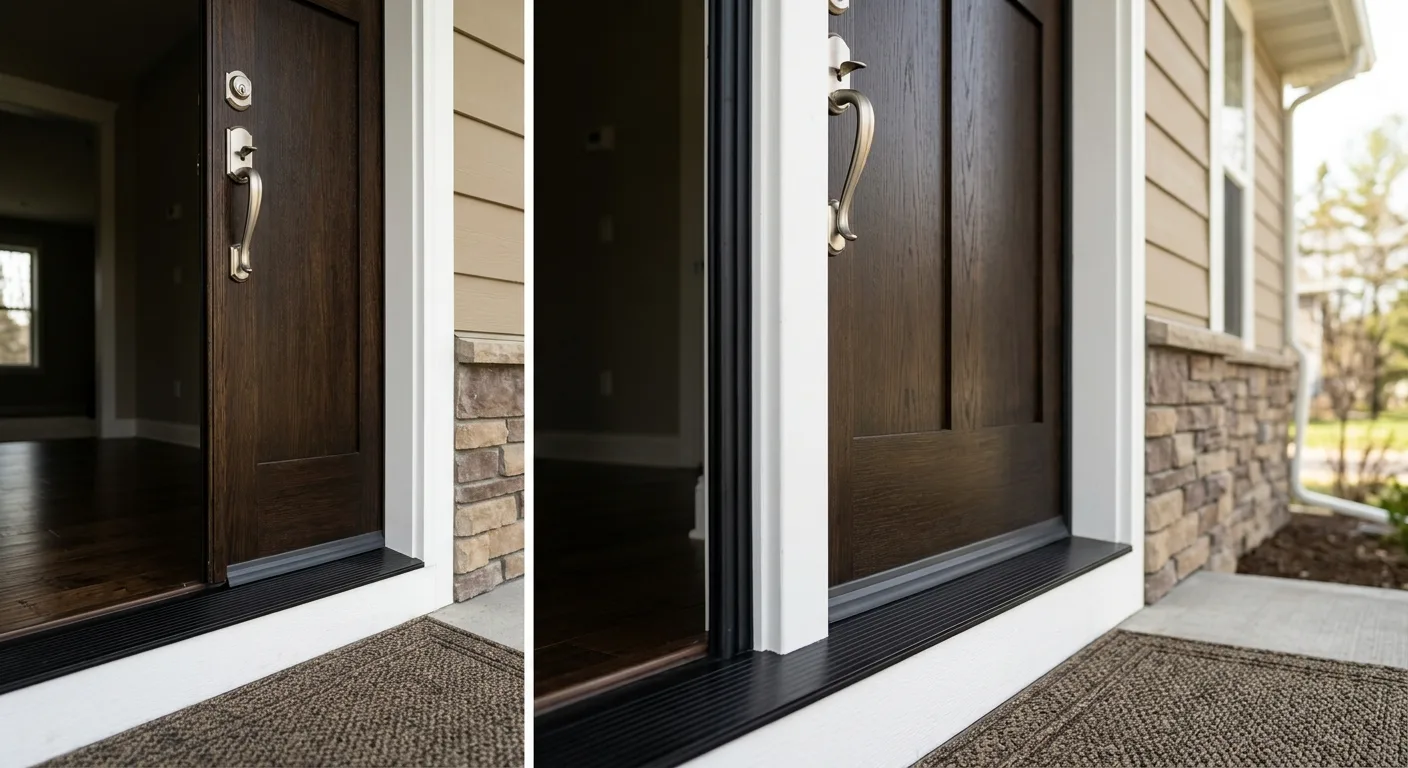
v strip tension seal work, professional service in Fridley, MN

Weather Stripping That Holds Through Fridley Winters

Door weather stripping in Fridley is something I've been fixing for 16 years, and it's one of those repairs that pays for itself fast. If you're feeling a draft along your front door, your patio door, or your garage entry, there's a good chance the existing seal has given out. That's not a small thing in Minnesota. A failed seal in January means your furnace is working overtime every single night. I'll inspect the door frame, pull the old material, and install a seal that actually fits the way your door closes. Call (763) 213-5458 and we'll get it sorted.

The right weather stripping depends on the door type, the frame condition, and how hard that door gets used. Compression seals work well on well-aligned doors with consistent contact pressure. V-strip or tension seals are better for gaps that aren't perfectly even, which is common in Fridley's older mid-century housing stock where frames have shifted over decades. Door bottom sweeps handle the gap at the threshold and are often the worst offender for heat loss. I don't use foam tape. Foam tape is a short-term fix that compresses flat within a season and leaves adhesive residue that makes the next install harder. The materials I use are rated for temperature swings from 20 below to 90 above. Every job is different, so contact Timberline Handyman Services for an accurate estimate. This kind of work pairs well with door and window installation if your frame or door itself needs attention beyond the seals.

Why Fridley Homes Lose Heat at the Door

A lot of homes in Fridley were built between the 1950s and 1970s. Those frames have been through hundreds of freeze-thaw cycles. Wood expands in summer humidity and contracts when January hits. Over time the frame shifts, the door no longer closes flush, and whatever seal was there originally gets crushed flat or pulls away from the jamb entirely. That gap doesn't have to be visible to cost you money. A 1/8-inch gap around a standard door can account for the same heat loss as a 2.4-square-inch hole in your wall. Twin Cities wind off the Mississippi corridor makes it worse. The good news is this is a fixable problem, and it doesn't require a new door.
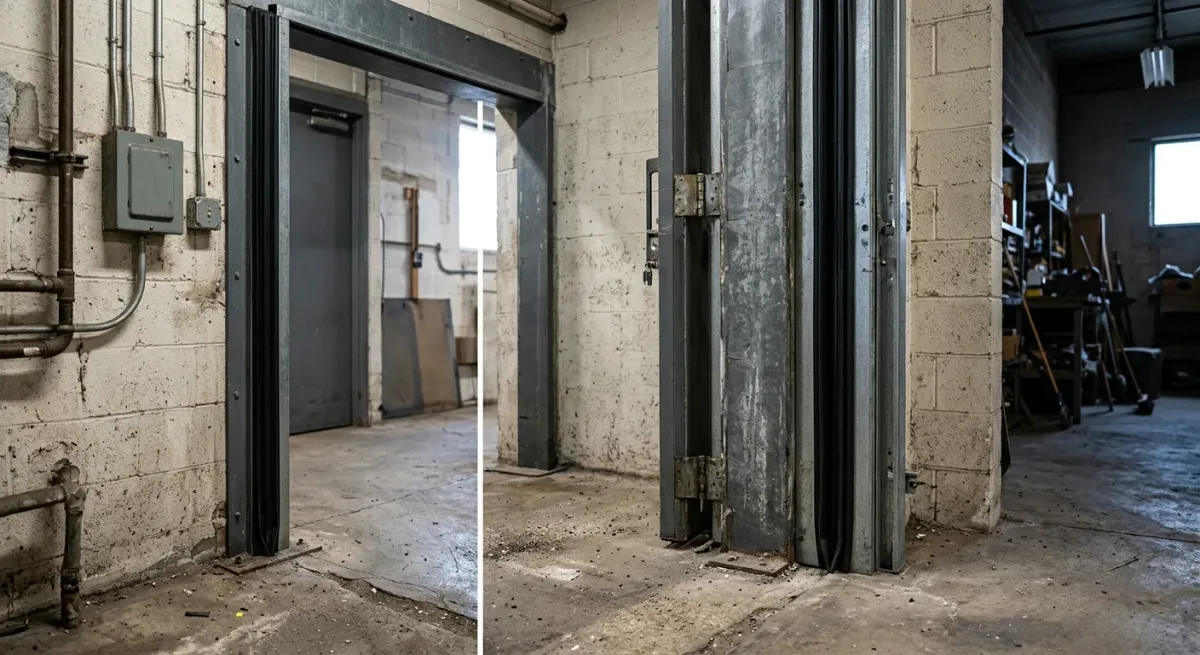
v strip tension seal work, professional service in Fridley, MN

Material Selection

Adhesive Foam vs. V-Strip vs. Compression Seal

The material you pick determines how long the fix actually lasts in a Minnesota climate.

V-Strip (Tension Seal)

Best for door sides and tops with irregular gaps. Durable, invisible when installed, and handles temperature swings well. My preferred material for most Fridley exterior doors.

Compression Bulb Seal

Pressed into or stapled to the door stop. Creates a tight seal when the door closes. Works well on doors that are slightly misaligned but still latch properly.

Door Bottom Sweep

Mounts to the interior face of the door and drags or spring-seals against the threshold. Handles the biggest gap in most older homes and directly stops floor-level drafts.

Foam Tape

Not what I install on exterior doors. Compresses flat within one winter. Fine for light-duty interior use, wrong for any door that faces a Minnesota winter.

How It Works

What the Installation Actually Looks Like

Remove and Clean

Old material comes off completely. Jamb and door stop surfaces get cleaned so the new seal bonds properly.

Check Alignment

Door and frame alignment get checked before anything goes in. A misaligned door will beat a new seal flat inside a season.

Install and Inspect

New material installed, door cycled open and closed, and light-gap checked across the full perimeter before I leave.

DIY vs. Hiring It Out

Simple Adhesive Swap

Flat, accessible door. Standard foam or adhesive V-strip replacement. Frame is solid, door closes square. This is manageable DIY territory.

Compression or Kerf-In Seal

Requires removing the door stop or routing the door stop. More precise fit needed. Worth having it done right the first time.

Frame or Alignment Issues

Door is racking, threshold has dropped, or the frame has shifted. Hire it out. New weather stripping alone won't fix an alignment problem.

How Often to Inspect in Minnesota

I'd say every fall before temps drop below freezing. That's the time to catch a seal that has cracked, compressed, or pulled away from the jamb before you're heating the neighborhood all winter. Run your hand along the door perimeter on a cold day. Feel any airflow? That's your answer. Also check visually for light gaps by standing inside with the exterior door closed during daylight. If you can see light anywhere other than the hinge side, the seal isn't doing its job. Most exterior door seals last 3 to 5 years in this climate with normal use. Garage door bottom seals take more abuse from ice and snow and tend to need replacement every 2 to 3 years. If you're also thinking about interior painting or other fall prep work, I can often knock out multiple tasks in the same visit.
v strip tension seal work, professional service in Fridley, MN

Service Area for Weather Stripping

Based in Fridley, I work throughout the north Minneapolis metro. If you're in any of these areas and dealing with a drafty door or failed seal, call (763) 213-5458 and we'll get it on the schedule.

Ready to Stop That Draft for Good?

16 years working on Fridley homes. One call. Drafts gone.

Frequently asked questions

What type of weather stripping holds up best in Minnesota winters?
For exterior doors in the north Minneapolis metro, V-strip tension seals and compression bulb seals consistently outperform adhesive foam. Foam compresses flat after one freeze-thaw cycle and stops sealing. V-strip installs into or against the door stop and holds its shape down to extreme cold. For door bottoms, a reinforced sweep with a rubber or silicone wiper handles ice, snow, and threshold gaps better than flat foam. Material rated for a full temperature range from below zero to 90 above is what you need here.
How do I know if my door weather stripping actually needs replacing?
Stand inside on a cold day with the door closed and run your hand along the perimeter. If you feel airflow, the seal has failed. Daylight visible around the door edge is another clear sign. Physically, look for foam that's compressed flat, V-strip that's pulled away from the stop, or rubber that has cracked or hardened. Patio doors often show wear at the bottom rail first. If the door feels noticeably harder to latch in summer and loose in winter, the frame may have shifted, which affects how the seal contacts the stop.
Can I install weather stripping myself, or should I hire it out?
A straight adhesive replacement on a well-aligned door is manageable DIY work. Where people run into trouble: installing on a dirty surface, using foam tape on a high-use exterior door, or not checking alignment before installing. If the door sticks, sags, or has uneven gaps around the perimeter, the frame or door needs adjustment before the seal goes in. Putting new material on a misaligned door means the seal will fail unevenly within a season. In that case, hiring it out saves you the cost of doing it twice.
What is the difference between weather stripping and caulking for a door?
Weather stripping handles the moving gap between the door and its frame, specifically along the sides, top, and bottom where the door opens and closes. It has to flex with every cycle. Caulk is for stationary gaps: the joint between the door frame and the exterior siding, or between the threshold and the floor. Caulk on a moving joint will crack within a season because it can't flex. Both are part of a complete door seal, but they go in different places. I often do both in the same visit when I'm replacing worn stripping on an older Fridley home.
How often should weather stripping be replaced on a Minnesota home?
Exterior door seals in this climate typically last 3 to 5 years with normal use. Garage door bottom seals take more direct abuse from ice, snow, and snowblower exhaust and often need replacement every 2 to 3 years. The freeze-thaw cycle is the main driver of early failure: seals that harden in cold and soften in summer heat eventually crack or lose their compression set. Inspect every fall before heating season. Homes in Fridley with original 1960s or 1970s door frames often have shifted jambs that cause uneven seal contact, which accelerates wear on one side.
Does bad weather stripping on a patio door or garage door need different materials?
Yes. Patio doors use a sliding contact system, so the seal along the edges is usually a pile weatherstrip, which is a fuzzy fiber strip that slides without friction rather than compressing. The bottom and top rails get a wiper seal. Garage doors use a rubber bottom seal that compresses against the concrete floor and wears faster than any other door seal in the house because it contacts grit, ice, and moisture every day. A failed garage door bottom seal is also a pest entry point in spring. The sides and top of a garage door have a different seal profile again. It's not one-size-fits-all.

Related

Next step

Tell us about the job

Your name, your number and what needs doing. A person from Timberline Handyman Services gets back to you.

Rather talk now?(763) 213-5458

No obligation · Responds within 1 business day


By submitting this form you agree that we may contact you about your request and share your details with partner companies for marketing purposes.