
Fridley Local
Smoke Detector Installation in Fridley
Proper placement, secure mounting, and Minnesota code compliance handled by one person with 16 years in the trade.
Call or text (763) 213-5458Request an estimate
Tell us what you need
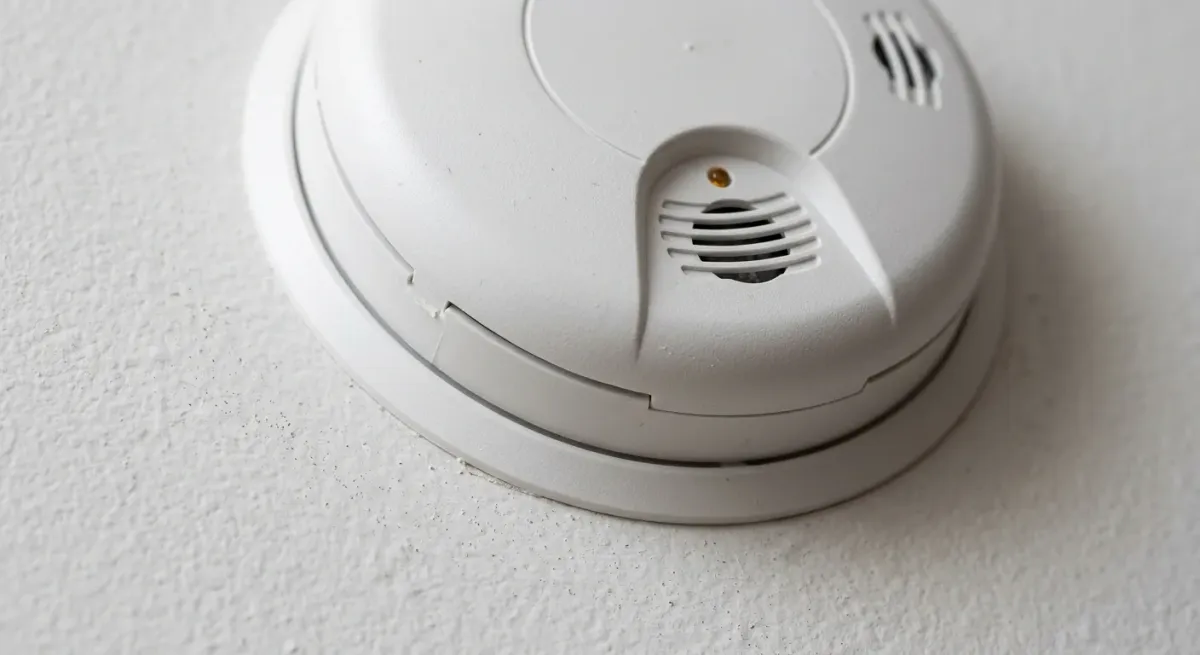
Smoke Detector Installation for Fridley Homes
Smoke detector installation in Fridley is something Timberline Handyman Services handles for homeowners across the north metro, placing and mounting detectors where Minnesota fire code actually requires them. Most houses we walk into have detectors in the wrong spots, missing from rooms where they're legally required, or running on expired units that are eight or ten years old and quietly failing. Call (763) 213-5458 to get it sorted out the right way.
Minnesota requires a smoke detector on every level of the home, inside each bedroom, and outside each sleeping area. That's the floor-level rule. Detectors need to sit between 4 inches and 12 inches from the ceiling on a wall mount, or on the ceiling at least 4 inches from any wall. Placement matters because smoke rises and spreads differently depending on ceiling height, HVAC vents, and the layout of hallways. Fridley's housing stock runs heavily mid-century, built through the 1950s, 60s, and 70s, and those floor plans weren't designed with modern detector spacing in mind. Older homes often have isolated bedroom wings, dropped ceilings in finished basements, and open stairwells that need attention. The number of detectors your home needs isn't just about bedroom count. It depends on levels, basement finish, attached garages, and how your hallways connect. Every job is different. Contact Timberline Handyman Services for an accurate estimate.
What We Cover
Detector Types and Where Each One Goes
Not all detectors are the same, and not every location in a house has the same requirement.
Battery-Powered Units
Good for locations without nearby wiring. Ten-year sealed-battery detectors eliminate the annual battery swap and are code-compliant in Minnesota for most residential applications.
Hardwired Detectors
Connect directly to your home's electrical system with a battery backup. Standard in homes built after 1993 in Minnesota. Replacing an old hardwired unit usually takes under 30 minutes per detector.
Interconnected Systems
When one alarm sounds, all of them do. Wired interconnection requires the right wire run between units. Wireless interconnected detectors work in older homes without pulling new wire.
Combination CO Detectors
Minnesota also requires carbon monoxide detectors within 10 feet of every bedroom in homes with fuel-burning appliances or attached garages. One combination unit can cover both requirements in the right placement.
Our Process
How the Installation Goes
The whole job on a typical Fridley home takes one to two hours depending on unit count and mounting surface.
Walk the Home
We go through every level, count rooms, check existing units for age and placement, and confirm what Minnesota code requires for your specific layout.
Mount and Wire
Detectors go on blocking or ceiling boxes where wiring exists, or on wall anchors for battery units. Every mount gets tested for hold before the detector clips in.
Test Every Unit
Each detector gets tested before we leave. Interconnected units get a full chain test so you know every alarm in the house responds when one triggers.
When Detectors Need Replacing
Check the Date
Every detector has a manufacture date stamped on the back or inside the unit. If it's over 10 years old, replace it. The National Fire Protection Association recommends replacement at 10 years regardless of whether it still beeps when you test it.
Humidity and Dust
Fridley homes deal with real seasonal humidity swings. Detectors in bathrooms, kitchens, or unfinished basements accumulate dust and moisture inside the sensing chamber faster than units in living areas. Those fail sooner and throw more false alarms.
False Alarms Aren't Random
If your detector goes off during cooking or showering, placement is probably wrong. A detector mounted too close to the stove or bathroom exhaust will nuisance-alarm constantly. Relocating it three or four feet often fixes the problem without adding a unit.
What Timberline Brings to This Job
16 years working in north metro homes, including the mid-century layouts that need the most attention.
- 16 years in the trade
- Not a franchise. Not a dispatch service. One person who's been doing this in Fridley and the north metro since 2010.
- Code-compliant placement
- Minnesota residential fire code, room by room, based on your actual floor plan, not a generic checklist.
- Handles both smoke and CO
- We install combination units where code requires carbon monoxide detection, covering both requirements in a single visit.
- Honest about scope
- If your home needs new wiring to support hardwired interconnected detectors, we'll tell you that before we start.
Where We Work
Serving Fridley and Nearby Communities
Timberline Handyman Services runs smoke detector installations across Fridley and the surrounding north metro. If you're in Spring Lake Park, Blaine, or Brooklyn Park, we cover you on the same visit schedule.
Get Your Detectors Placed Right
One call. We walk the house, place every detector to Minnesota code, and test the whole system before we leave.
Frequently asked questions
What are Minnesota's requirements for smoke detector placement in a home?
How many smoke detectors does a typical three-bedroom home in Fridley need?
What's the difference between battery-powered and hardwired smoke detectors?
How often do smoke detectors need to be tested and replaced?
Can smoke detectors be installed near kitchens and bathrooms without constant false alarms?
Do I need a permit for smoke detector installation in Fridley?
Related
Next step
Tell us about the job
Your name, your number and what needs doing. A person from Timberline Handyman Services gets back to you.
Rather talk now?(763) 213-5458