
Fridley (763) 213-5458
Timberline Handyman Services
Wood Staining and Sealing in Fridley

Fridley Local

Wood Staining and Sealing in Fridley

16 years of wood prep, stain application, and sealing done on Fridley's mid-century homes.

Call or text (763) 213-5458

Request an estimate

Tell us what you need
No obligation · Responds within 1 business day


By submitting this form you agree that we may contact you about your request and share your details with partner companies for marketing purposes.

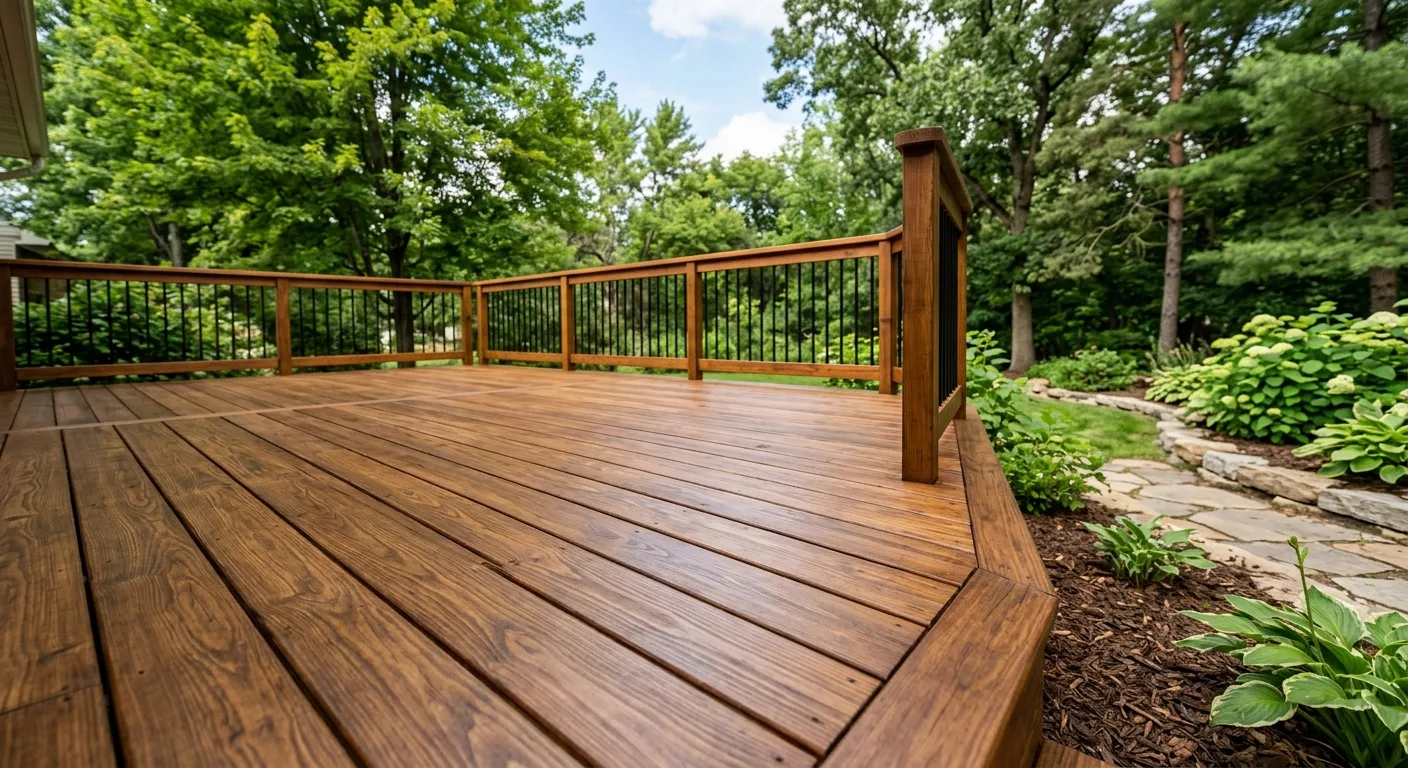
wrong moisture level work, professional service in Fridley, MN

Wood Staining and Sealing in Fridley Homes

Timberline Handyman Services handles wood staining and sealing in Fridley, MN for homeowners who want their floors, decks, and trim to hold up through real Minnesota winters without peeling, graying, or absorbing moisture between visits. After 16 years working on the older housing stock in this area, I know what properly prepped and sealed wood looks like, and I know what it looks like six months after a rushed job. If you're looking at wood that's gone dull, started showing dark water rings, or is flaking at the edges, the fix starts with a call to (763) 213-5458.

The staining and sealing process has a few steps most homeowners underestimate. Surface prep is where most DIY jobs fall apart. Fridley's mid-century homes often have original hardwood that's been painted over, patched badly, or sanded unevenly by a previous owner. Before any stain touches the wood, the surface has to be clean, dry, and at the right moisture content. Minnesota's humidity swings hard between July and January, and wood that gets stained at the wrong moisture level will lift the finish within a season. I check moisture levels before I start, not after something goes wrong. Cost on a staining and sealing project depends on square footage, condition of the existing surface, number of coats, and whether any repair or deck building work is needed first. Every job is different, contact Timberline Handyman Services for an accurate estimate.

Staining Alone vs. Full Refinishing

Knowing the difference saves you time and money on the wrong scope of work.
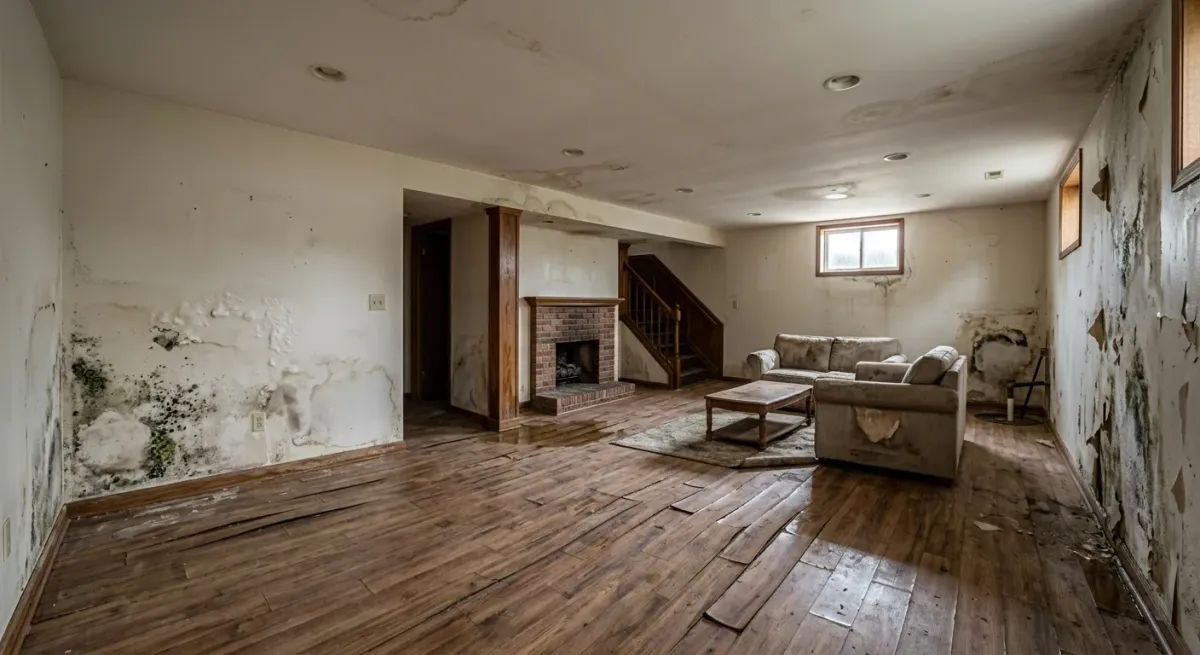
People ask me this every week. If the wood still has a solid finish that's just worn in high-traffic spots, a buff and recoat or a fresh stain coat may be all it needs. Full refinishing means sanding down to bare wood, which takes more time, more dust, and more dry time between coats. I won't upsell you to a full sand-and-refinish if a targeted stain and seal gets you another five years. But if the wood has deep scratches, cupped boards, or finish that's peeling in sheets, we're past the point where staining on top fixes anything. I'll tell you straight which one the floor actually needs.
rushing between coats work, professional service in Fridley, MN

The Process

How the Staining and Sealing Process Works

  1. Surface Prep and Moisture Check

    Every staining job starts with prep, not stain. I assess the existing finish, check moisture content with a meter, clean the surface, and sand or scuff to the level the wood needs. Corners and edges are where amateurs skip. That's also where the finish fails first.

  2. Stain Color Application

    Stain goes on in thin, even coats with attention to grain direction and absorption rate. Oak, pine, and maple common in older Fridley homes all take stain differently. Oak is forgiving. Maple can go blotchy without a conditioner coat first. I match technique to the wood species, not a one-size process.

  3. Sealer and Protective Topcoat

    Once the stain cures fully, the sealer goes on in the number of coats the surface and use pattern calls for. High-traffic floors get more coats than a decorative shelf. Oil-based sealers take longer to cure but hold up better under heavy use. Water-based sealers dry faster and off-gas less, which matters in a closed-up Minnesota home in January.

Materials

Oil-Based vs. Water-Based Sealers in Minnesota

This question matters more in Minnesota than most places. Oil-based polyurethane is harder and more resistant to abrasion, which makes it the right call for floors that get real foot traffic year-round. The downside is cure time and fumes. You're looking at 24 hours between coats and the house needs real ventilation, which is harder to manage when it's January and you don't want to leave windows open. Water-based finishes dry in a few hours, amber less over time, and work well in spaces where you need to return to normal quickly. For interior painting projects that involve adjacent trim and woodwork, water-based also makes the finish coordination simpler. I'll give you my honest recommendation based on your specific floor and how you actually use the space, not just what's cheaper to buy.
rushing between coats work, professional service in Fridley, MN

What Causes Staining Jobs to Fail

Wrong Moisture Level

Wood stained above 9-10% moisture content traps the humidity under the finish. Minnesota summers push indoor humidity high, especially in homes without climate control. The finish lifts. It's not a product failure, it's a timing failure.

Skipping the Edge Prep

The field of a floor gets sanded evenly. Corners, edges, and closet thresholds get skipped or hand-sanded inconsistently. That's where peeling starts six months later. Every inch gets the same prep on my jobs.

Rushing Between Coats

Stain that hasn't fully dried before the next coat goes on will cloud, peel, or never bond correctly. The dry time on the can is a minimum under ideal conditions. Older Fridley homes with less airflow need more time, not less.

Mismatched Stain and Wood Species

Maple needs a pre-conditioner or it absorbs unevenly. Pine can go muddy with dark stains. Oak takes most colors cleanly. I've worked with all of them in houses built from the 1950s through the 1970s, which is most of what this neighborhood has.

Using Indoor Sealers on Exterior Wood

Exterior decks and fences need UV-resistant, moisture-tolerant sealers that flex with the wood as it expands and contracts through a full Minnesota temperature range. Indoor products applied outside fail in one season. Not close. One season.

No Ventilation Plan

Oil-based sealers off-gas heavily. Twin Cities building code expects ventilation during application and cure. A closed house with no airflow is a health issue and a fire risk. I plan the job around ventilation, not the other way around.

Wood Types and Stain in Fridley's Older Homes

Most Fridley homes built between 1950 and 1975 have original red or white oak floors, sometimes fir in older basement areas. Oak is a good candidate for staining because it has open grain that accepts pigment evenly. If the original finish is shellac or an early oil-based varnish, the old finish has to come up completely before new stain goes down. There's no shortcut that holds. Homes near the Minneapolis border sometimes have pine subfloor exposed as a finished surface, which takes staining but needs a light conditioner coat first to keep the color even. Whatever species you're working with, I'll tell you what's realistic before we start, not after the stain's already on.
rushing between coats work, professional service in Fridley, MN

Sealing Wood Trim, Doors, and Exterior Surfaces
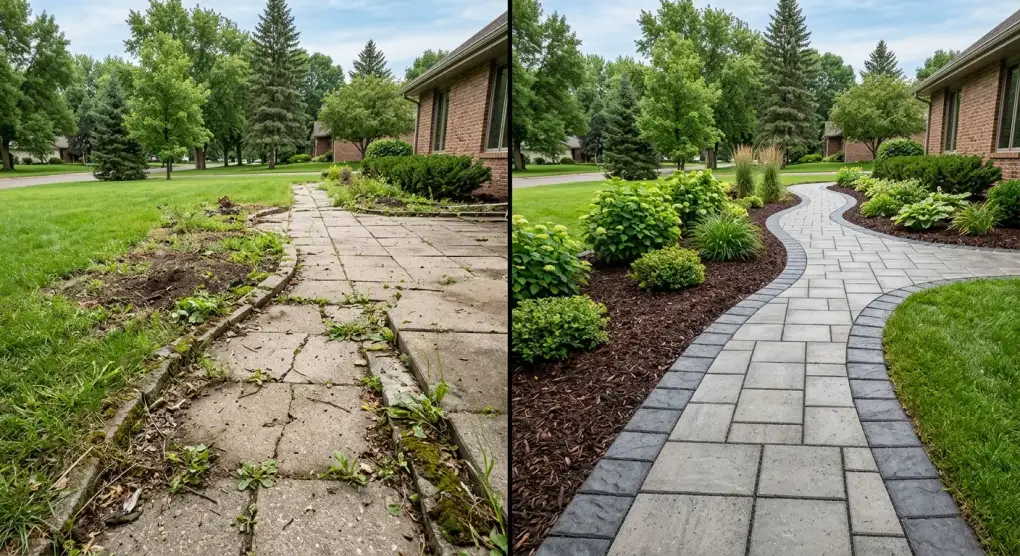
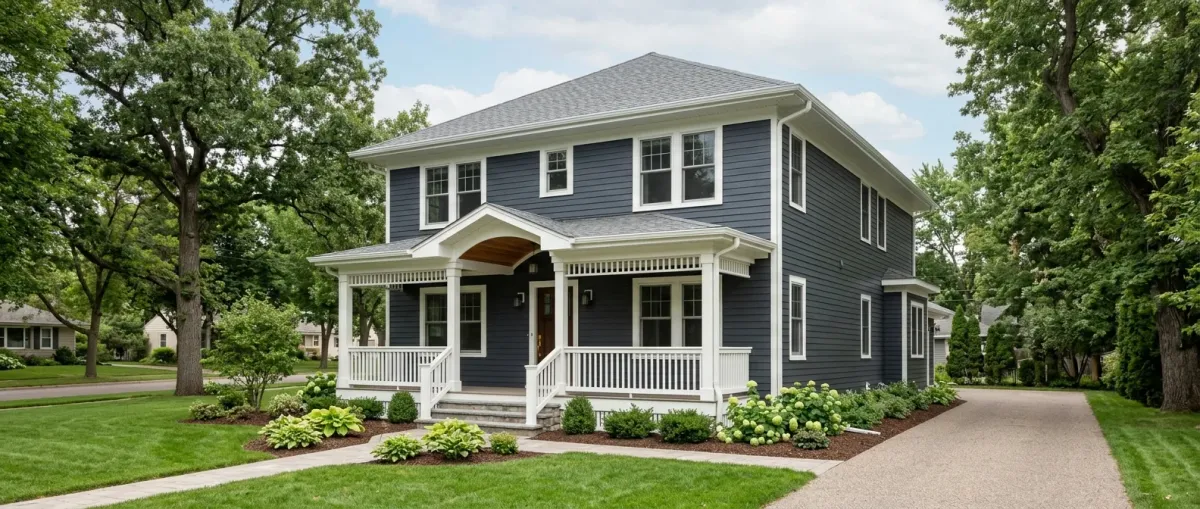
Staining and sealing isn't just floors. Trim, door frames, door and window installation finishing work, and exterior wood all need the same prep-and-seal approach. Exterior surfaces in Minnesota take a beating from freeze-thaw cycles. Wood that isn't properly sealed absorbs water, expands, contracts, and splits at joints within a few winters. I do exterior wood sealing as part of larger projects or on its own. If you've got a deck or fence that's gone gray and is starting to check on the surface, sealing it now costs a fraction of replacing it in two years. New Brighton and Mounds View homeowners have called me for exactly that situation, and in most cases the wood was still solid enough to save.
skipping the edge prep work, professional service in Fridley, MN

What Maintenance Sealed Wood Actually Needs

Sweep or dry-mop weekly

Grit acts like sandpaper on a sealed floor finish. Keeping it clean is the single most effective maintenance step.

Clean spills immediately

Most modern sealers resist water for a short window. Spills left sitting will work through seams and cause staining under the finish.

Recoat before the finish fails

A maintenance coat every few years on a high-traffic floor is far cheaper than a full sand-and-refinish. Catch it while the finish is worn, not gone.

Control indoor humidity

Minnesota winters drop indoor humidity below 20% if you're not running a humidifier. Wood shrinks at that level and gaps open between boards. Keeping humidity between 35-50% extends finish life noticeably.

Talk to Timberline Before You Start

16 years in Fridley and the north metro. I've stained and sealed wood in every condition you can imagine, and I'll give you a straight answer on what your project actually needs.

Frequently asked questions

What's the difference between wood staining and full hardwood refinishing?
Staining adds or changes color and is typically done over a properly prepared but otherwise intact surface. Full refinishing means sanding down to bare wood to remove the existing finish entirely before any stain goes on. If the current finish is peeling, deeply scratched, or worn through to bare wood in spots, you need refinishing first. If the finish is solid but faded or the color is outdated, a prep-and-restain may be enough. I'll look at the floor and tell you which one makes sense.
How does Minnesota's humidity affect wood staining results?
Significantly. Wood absorbs and releases moisture as indoor humidity changes, and it changes a lot in Minnesota between summer and winter. Wood stained at above 10% moisture content traps humidity under the finish. The finish then lifts or peels as the wood dries out through the heating season. I check moisture levels with a meter before starting any staining job. The right time to stain is when indoor conditions are stable, typically not in the middle of a humid August or right when the heat kicks on in October.
Can you apply new stain over existing wood finish, or does the old finish have to come off?
The old finish usually has to be removed or abraded enough that the new stain can penetrate. Stain needs to reach the wood fiber, not sit on top of a cured polyurethane coat. In some situations a light scuff sand opens the surface enough. In others, particularly with older shellac or oil varnish finishes common in Fridley homes built before 1975, the old finish has to come off completely. I won't apply stain over a surface that won't accept it properly. The result looks bad and fails fast.
What's the best sealer for hardwood floors that handle heavy foot traffic in a Minnesota home?
Oil-based polyurethane is harder and more abrasion-resistant, which makes it the better choice for high-traffic areas like hallways, kitchens, and living rooms. It takes longer to cure between coats and requires good ventilation, which needs planning in a Minnesota winter. Water-based polyurethane dries faster, off-gasses less, and works well in bedrooms or lower-traffic spaces. I recommend based on actual use patterns, not just what's in stock. Both products perform well when applied correctly with proper dry time between coats.
How long does a stain and seal finish last on hardwood floors?
Under normal residential use with basic maintenance, a properly applied oil-based finish holds up five to seven years before a maintenance recoat is worth considering. Water-based finishes are similar, sometimes requiring a light recoat sooner in very high-traffic areas. The key variable is maintenance. Floors that never get swept collect grit that acts as sandpaper underfoot and wear through a finish in half the expected time. Catching it before the finish is completely gone means a recoat instead of a full sand-and-refinish.
Does water hardness in the Twin Cities area affect water-based wood sealers?
It can. Hard water used to thin or clean up water-based products can leave mineral deposits that affect how the finish levels and cures. The Twin Cities metro has moderately hard water in most areas. I use appropriate thinners and clean tools with filtered or distilled water when working with water-based finishes to avoid this. It's a small detail that matters when you're chasing a smooth, even topcoat without streaking or cloudiness in the dried finish.

Related

Next step

Tell us about the job

Your name, your number and what needs doing. A person from Timberline Handyman Services gets back to you.

Rather talk now?(763) 213-5458

No obligation · Responds within 1 business day


By submitting this form you agree that we may contact you about your request and share your details with partner companies for marketing purposes.